

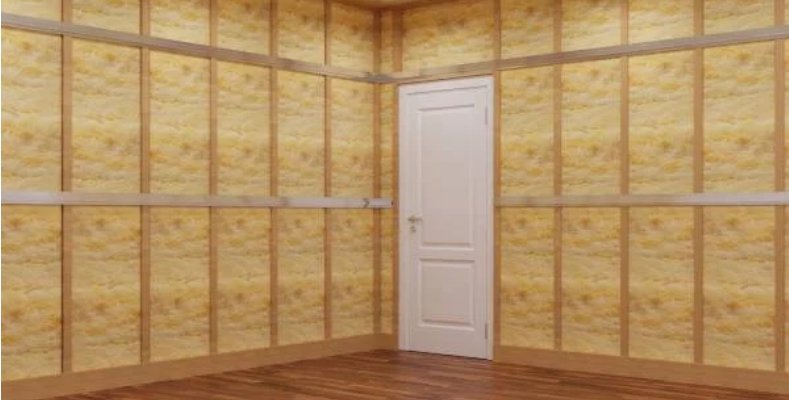
Acoustic insulation
Acoustic insulation is designed to reduce surrounding noise levels and block unwanted sound, creating a more comfortable and peaceful environment. Various types of acoustic insulation materials work by reflecting, absorbing, or diffusing sound waves, helping maintain sound intensity at a controlled level and improving productivity without disturbance.
Acoustic insulation is not limited to floors or adjoining walls; it is also widely applied to pipes and duct systems. In industrial environments, machinery such as industrial blowers and AHU (Air Handling Unit) systems generate high noise levels. To minimize sound intensity, these units are insulated using specialized acoustic materials.
Certain acoustic materials function as effective sound barriers, preventing sound transmission from one area to another. Such materials typically have a high STC (Sound Transmission Class) rating, indicating superior sound-blocking performance.
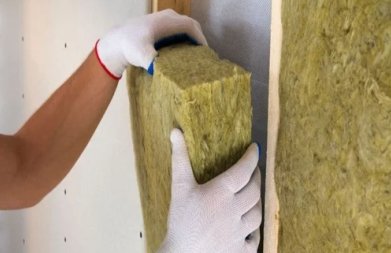
Areas of Applications :
- Ducting and piping systems
- AHU (Air Handling Unit) rooms
- Industrial blowers and machinery
- Residential and commercial structures
- Commercial facilities and complexes
- Cinema halls and home theatre rooms
- Auditoriums and large halls
Recommended Materials
An effective acoustic insulation material typically features an open-cell structure with a high Noise Reduction Coefficient (NRC) and, in certain applications, a high Sound Transmission Class (STC).
- Fiberglass boards
- Rockwool slabs
- Open-cell nitrile rubber acoustic insulation (Class 0 / Class 1 fire rated)
- XLPE acoustic foam (chemically cross-linked open-cell polyethylene)
- Open-cell oxide acetate foam (acoustic thermo-insolent)
- MTS rubber sheets